

This year’s secondary residential trips ran from MYP1 to IB1, each one tied to a clear educational purpose rather than just a destination. Younger students explored Switzerland (Grindelwald, Luzern, the Aletsch region), while older year groups took on more independence abroad in Edinburgh, the Azores, and Corsica, where a diving trip led to a real qualification.
For IB1 students, the trip to Cork, Ireland was a direct expression of CAS, the Creativity, Activity and Service component of the IB Diploma, through beekeeping, conservation work, and cultural immersion. Students who stayed local for Activities Week completed their own CAS service work, from stables to elderly care homes in Blonay and Clarens.
Across every strand, the goal was the same: hands-on learning outside the classroom, built around respect, resilience, and community.
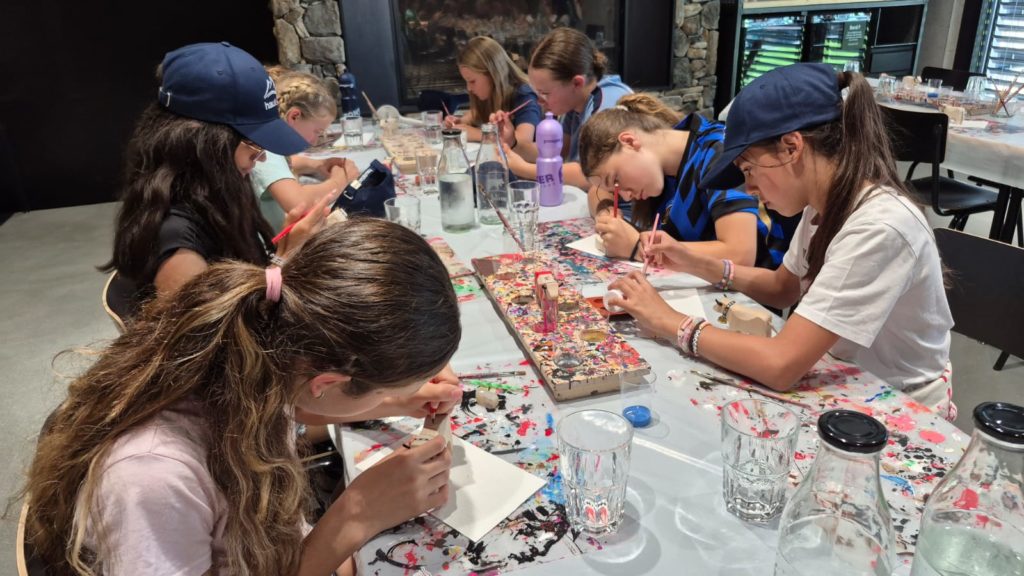
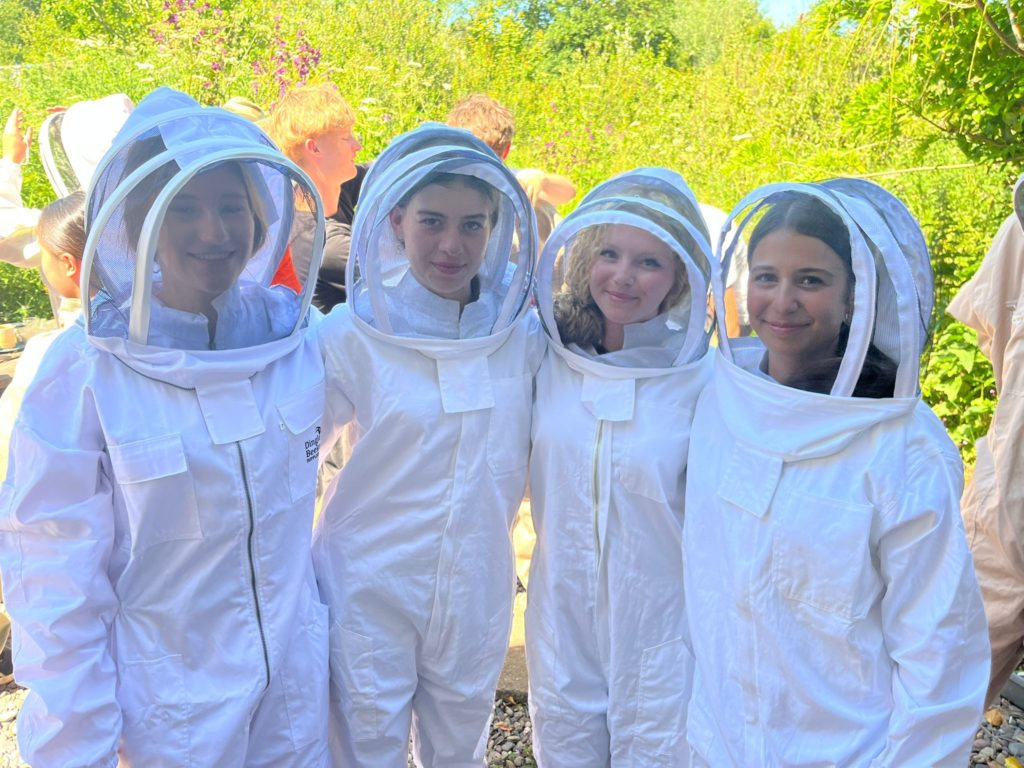
A group of MYP1 students paints handmade wooden cows in the shadow of the Eiger. Nearby in spirit, if not in distance, IB1 students crouch beside a beekeeper in rural County Cork, Ireland, and learn how a colony organises itself into a single working superorganism.
Elsewhere again, a student surfaces from a dive in the turquoise waters off Corsica, a new qualification in hand. Back home in Blonay, another spends the afternoon with elderly residents as part of Activity Week.
These moments look worlds apart. But they all sit on the same continuum: each one a deliberate piece of the learning we ask our students to do outside the classroom walls.
This year, our end-of-year secondary school residential trips ran from MYP1 through to IB1, and for those not on a trip, Activity Week offered an equally purposeful alternative in the local region. Every strand had its own educational purpose behind it, not just a destination on a map.
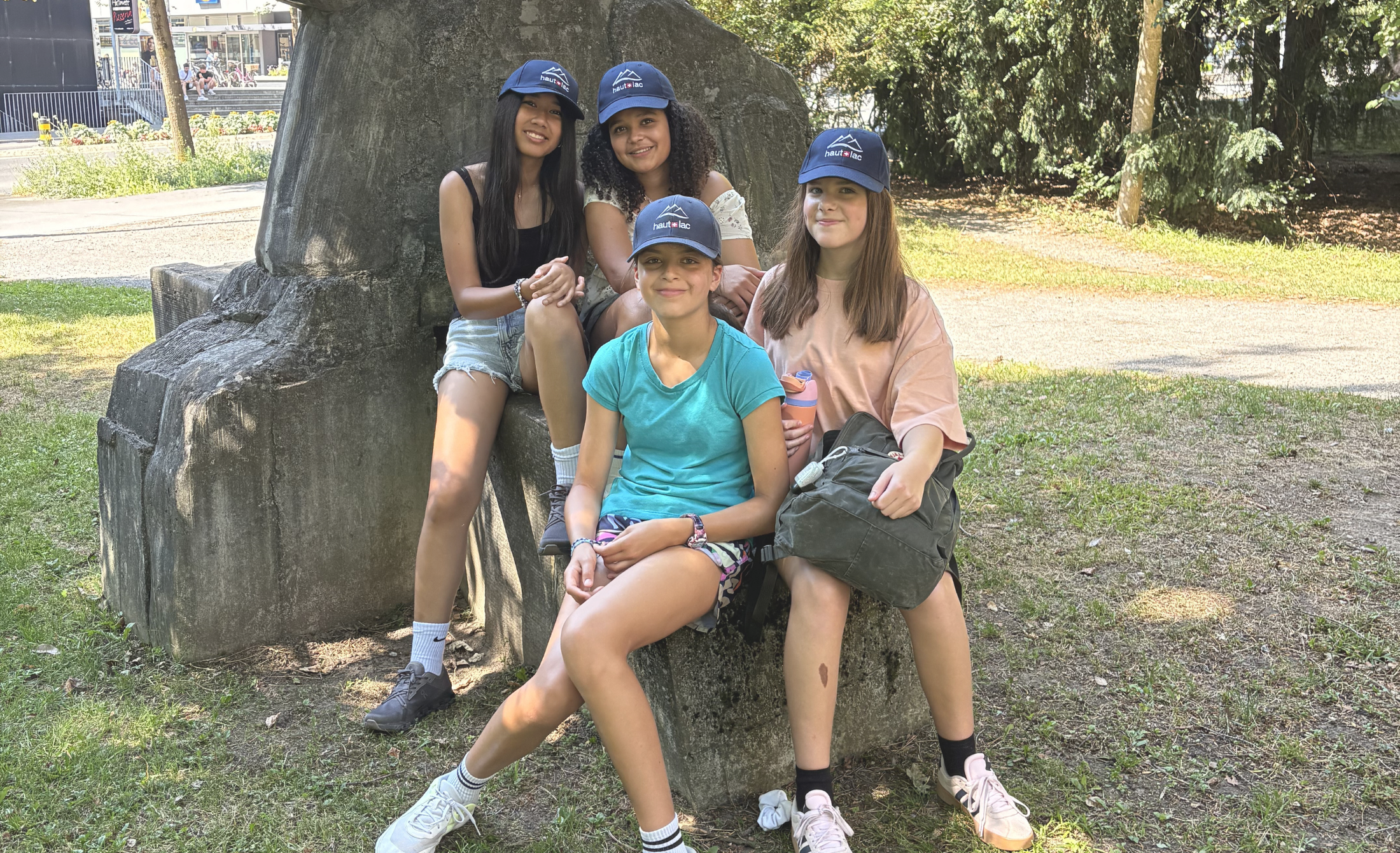
Close to home: building geography and history skills in Switzerland
Our youngest secondary students stayed closest to home, and that proximity is intentional.
MYP1 travelled to Grindelwald, MYP2 to Luzern, and MYP3 to the Aletsch region, each trip anchored to curriculum units already underway in the classroom.
Glacier visits, panoramic hikes, and museum workshops give abstract concepts a physical form: geography, history, and science become things students can walk through and touch.
These trips build cultural literacy in the country our students call home, while reinforcing the value of respect: for landscape, for local ways of life, and for one another as a travelling group.
Going further: gaining in independence on international trips
As students grow, so does the distance and the responsibility placed on them.
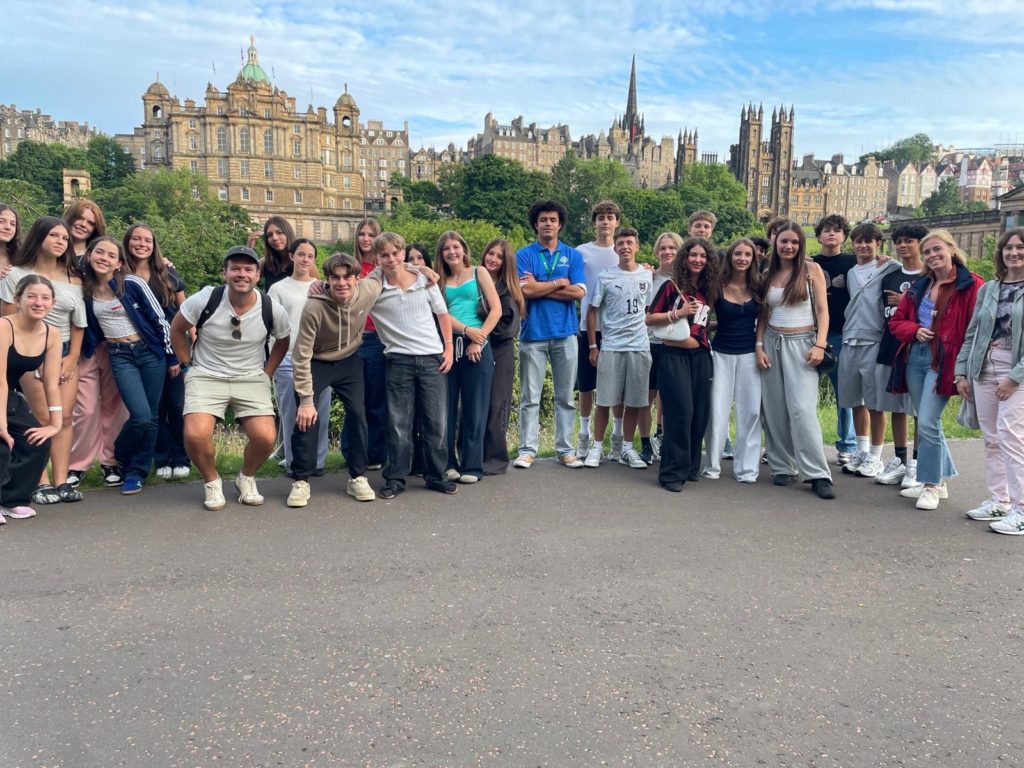
MYP4 travelled to Edinburgh and MYP5 to the Azores, and both trips ask students to navigate unfamiliar settings, languages, and daily rhythms with greater independence.
Whether taking part in Scottish Highland games or hiking through the volcanic landscape of Furnas, students are exposed to different ways of living and learning.
A coastal clean-up in Rabo do Peixe, undertaken as part of the Azores itinerary, reminded students that independence and service aren’t separate goals. Real exposure to a place comes with a responsibility toward it.
New challenges: building confidence scuba diving in Corsica
Some trips are built around acquiring a brand-new skill under structured pressure.
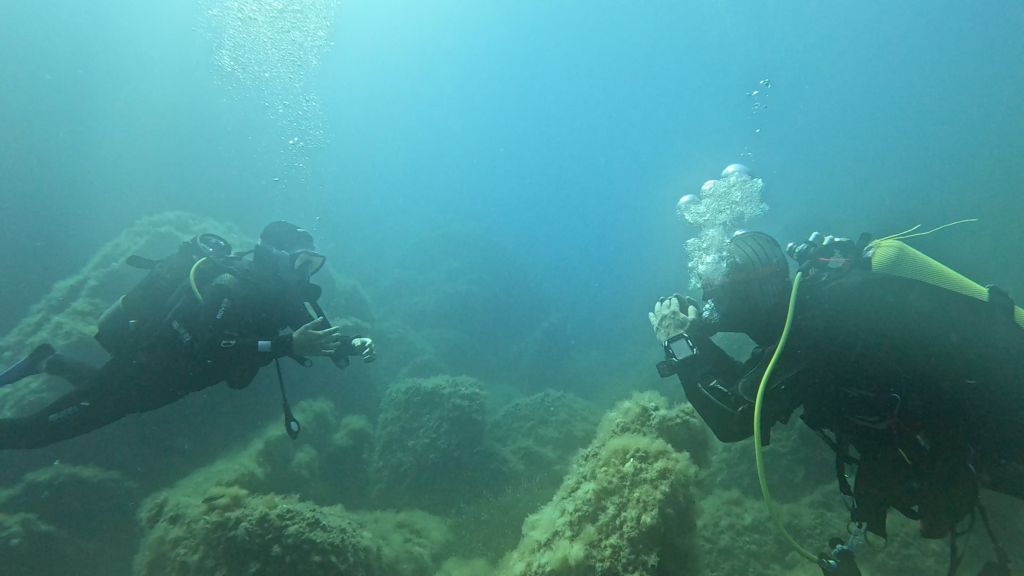
Our MYP5-IB1 diving trip took students to the turquoise waters off Corsica, where several days of progressive training led toward a recognised diving qualification, before a final visit to Ajaccio.
There’s no shortcut through this kind of learning. It demands resilience, careful attention to safety, and a willingness to sit with discomfort until competence follows.
A student who earns a certification they didn’t hold a week earlier, in one of the most striking underwater landscapes in the Mediterranean, gives our staff one of the clearest demonstrations of growth they see all year.
What is CAS? IB Diploma Creativity, Activity & Service in Cork with IB1
CAS stands for Creativity, Activity and Service, one of three core components of the IB Diploma alongside academic subjects and the Extended Essay. It asks students to learn outside the classroom through creative projects, physical activity, and genuine service to others.
For our IB1 students, the trip to Cork, Ireland put that requirement into practice directly. Over several days, students volunteered with Cork’s urban green space initiatives and learned about pollinator-friendly planting. They took part in a local beekeeping project producing responsibly harvested honey, and supported the work of An Taisce, a national conservation organisation.
Alongside this, they took part in Gaelic games and traditional music, and visited Killarney National Park, a UNESCO Biosphere Reserve: a balance of hands-on service and cultural immersion.
This is what CAS looks like off the page: sustained, reflective engagement with a community, rather than a single afternoon of good intentions.
Why trips and activity week matter as much as lessons
Not every student was on a plane or a coach this June.
For those who stayed closer to home, Activity Week offered its own programme of purposeful engagement. IB1 students took part in a range of CAS service activities across the local region: working with animals in nearby stables, and spending time with elderly residents in Blonay and Clarens.
The setting was different, but the intent stayed the same: sustained, hands-on engagement with a community, built around the same expectations of respect and responsibility.
Taken together, this year’s trips and Activity Week tell one consistent story.
They’re not a pause in learning, or a reward for good behaviour. They’re a deliberate extension of what happens in our classrooms, built to develop the same skills we prioritise every day: collaboration, communication, creativity, and critical thinking. All in service of the same four values that anchor our school community: respect, resilience, open-mindedness, and a sense of belonging.
None of this happens without considerable effort behind the scenes. Our sincere thanks go to every member of staff who planned, accompanied, and looked after our students on these trips and throughout Activity Week. For our students, they are lessons and memories that will last a lifetime.
We’re already looking forward to 2026-27, and to more adventures in the local region, across Switzerland, and beyond.
If you’d like to understand more about how the IB Diploma’s CAS requirement works, or what it involves for students, further detail is available on our website.
Greg Wilson
Deputy Head of Secondary