At Haut-Lac School, we don’t just teach subjects, we cultivate the communication, collaboration, creative thinking and critical thinking skills that will matter most tomorrow. The same skills UNESCO recognises as essential for thriving in an uncertain future.
Through our bilingual programmes and international mindset, we’re nurturing future thinkers, leaders and changemakers.


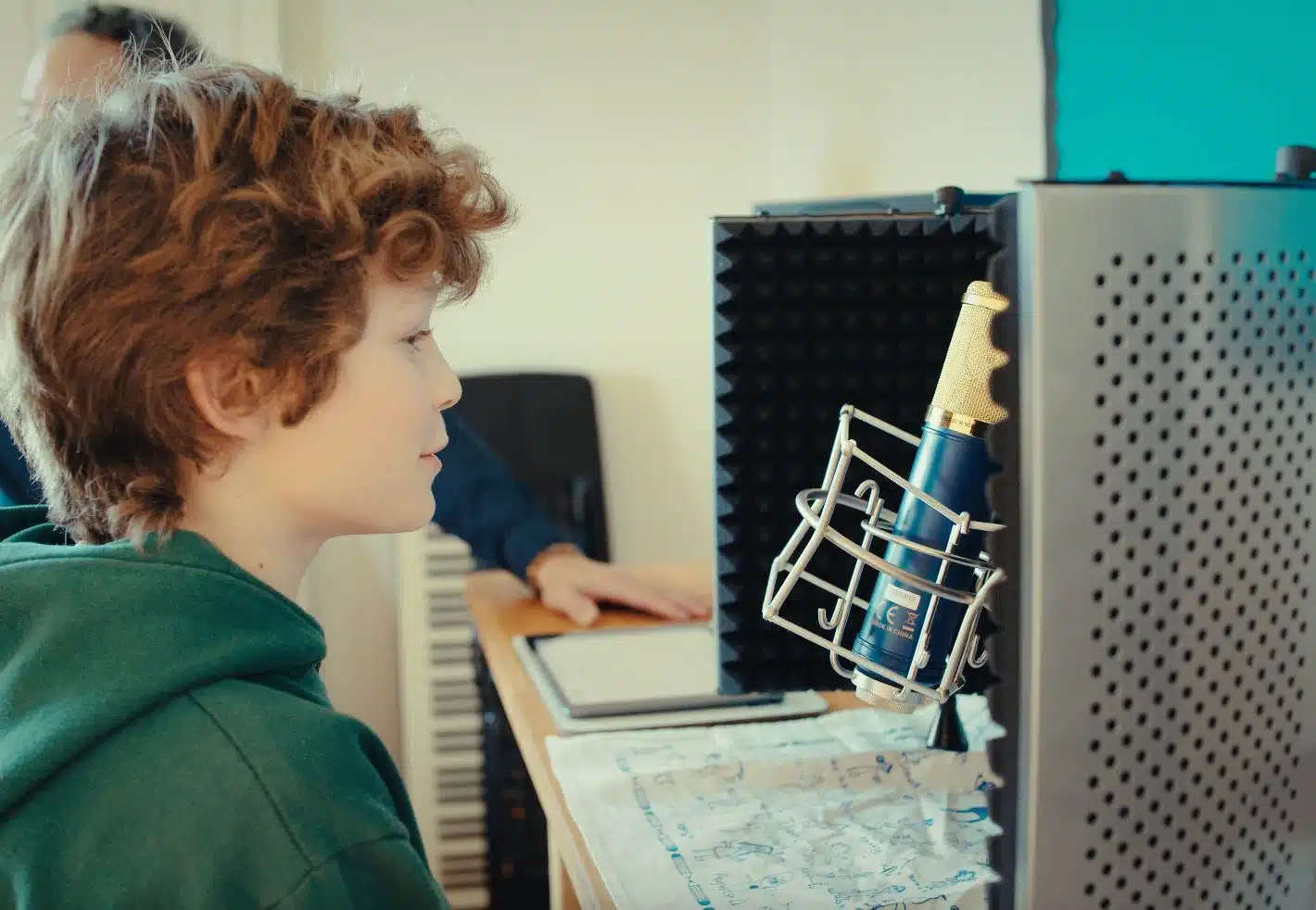
Every stage of learning at Haut-Lac School culminates with students applying everything they’ve developed through independent research projects.
They choose topics that matter to them, research thoroughly, and present their findings. It’s their chance to use the knowledge and soft skills they’ve built over years of cross-curricular learning.
This cognitive skill-building enables students to develop:
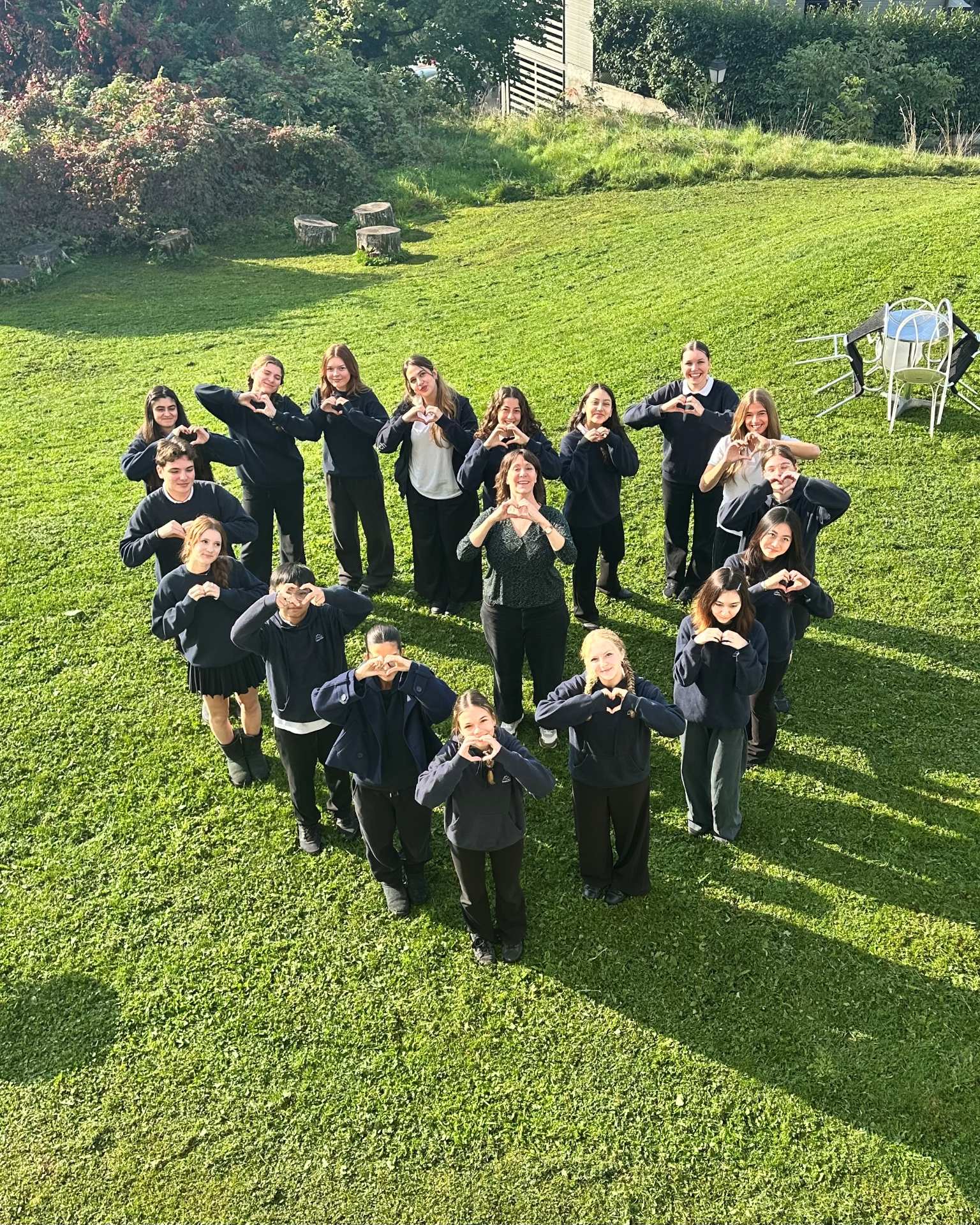
Language barriers dissolve when children learn alongside classmates of 64 nationalities. Leadership emerges naturally when students able to lead projects that matter to them. Communication skills flourish in an environment where multiple languages are bridges not obstacles.
Mobile phones may stay in lockers during school hours, but digital learning still happens through purposeful use of laptops and iPads in the classroom.
At Haut-Lac School, digital literacy is about mastering technology wisely and intentionally. We don’t teach technology for its own sake. We use it as a lens to understand the world and a tool to improve it.
Our approach includes:
Mobile phones may stay in lockers during school hours, but digital learning still happens through purposeful use of laptops and iPads in the classroom.
At Haut-Lac School, digital literacy is about mastering technology wisely and intentionally. We don’t teach technology for its own sake. We use it as a lens to understand the world and a tool to improve it.
Our approach includes:
The world needs changemakers. Young people who see challenges and refuse to stand by. Students who understand that meaningful change starts with individual action and grows through collective commitment.
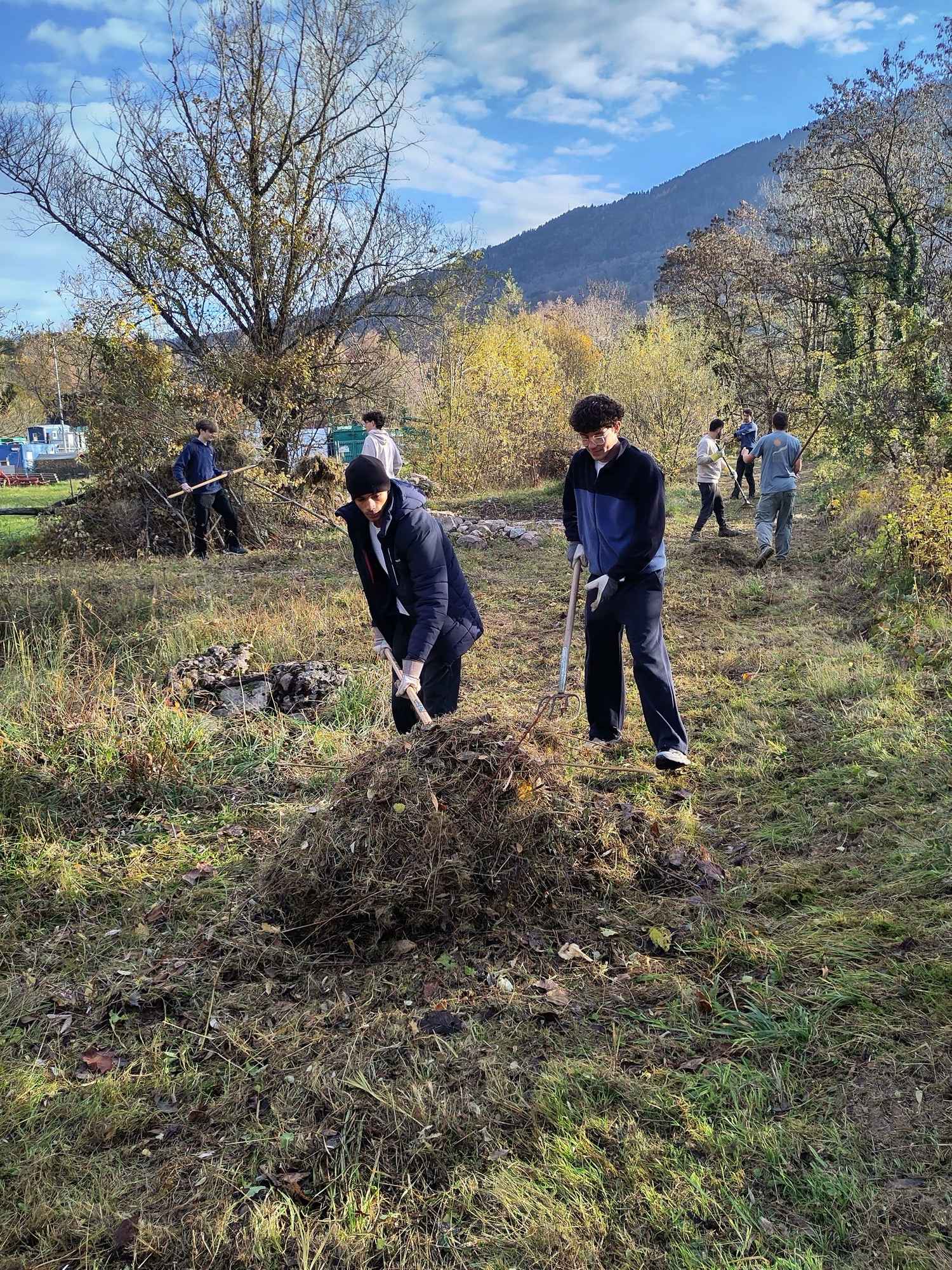
Our Secondary Environmental Committee and Primary Eco-Leaders are a great example of such individuals. Together they research, plan and lead projects to raise awareness of climate change, ecological protection and climate action.
Our successful MYP4 applicants take this further, as they join the fight for a cleaner world through the prestigious Villars Institute Fellowship programme. A programme that develops their systems thinking and enables them to engage with global thought-leaders and changemakers at the annual Villars Symposium.
And in MYP5, sustainability becomes business. Students form teams and design sustainable business ventures for a Colombian coffee farm. Their brief: bring premium coffee to the Swiss market, and apply the Triple Bottom Line, people, planet, profit, so the farmers who grow it get a fairer share of its value. Branding, digital marketing, income diversification, all of it went into pitches that faced an expert judging panel including Nespresso’s Climate Lead.


Got a question?
Check out our FAQs to get an answer fast.
If you can’t find the information you need here, do reach out to our admissions team.

Future skills are the abilities students need to thrive in a rapidly changing world: critical thinking, creativity, communication, collaboration, adaptability and leadership.
These skills go beyond academic knowledge. They’re about how students apply what they learn, work with others, solve problems and navigate uncertainty. At Haut-Lac, we develop these skills through class projects, presentations, team sports, student council positions, MUN debates and school productions.
Students don’t just learn English, French, maths and science. They learn to combine their knowledge and talents in different ways to find innovative solutions to whatever challenges they face.
Academic ability alone doesn’t guarantee success. The ability to communicate, think critically, work with others, show resilience and take responsibility makes Haut-Lac students stand out when applying for universities or jobs.
We believe every student has unique talents. Our role is to help them discover these whilst developing the interpersonal skills needed to apply them effectively.
When students learn to combine their individual strengths with collaborative abilities, they become confident, capable global citizens ready to make their mark.
These skills develop through active learning across the curriculum.
Students engage in inquiry-based learning by designing investigations, analysing data and forming evidence-based conclusions. They also complete interdisciplinary projects that require creative problem-solving and applying knowledge from different subjects.
Leadership opportunities include taking up Student Council positions, running MUN sessions, organising Environmental Committee initiatives and representing the school at events. Through these experiences, students learn public speaking, decision-making, teamwork and taking responsibility.
Digital Citizenship is one of three pillars in our technology education approach.
Students learn about online safety, digital well-being, information literacy and responsible social media use. They understand how to evaluate online sources critically, protect their privacy and behave ethically in digital spaces.
Through Computer Science lessons, they gain deeper understanding of how technology works, including networks, communication systems and programming.
Absolutely.
Empathy helps students understand different perspectives, work effectively in diverse teams and contribute positively to their communities.
Creativity enables them to approach problems innovatively and adapt when circumstances change.
Leadership means taking initiative, inspiring others and accepting responsibility.
Students develop these skills through group projects, international collaborations, community service initiatives and leadership roles in school associations. The IB learner profile specifically cultivates these qualities alongside academic excellence.
Yes, student progress in these areas is communicated through school reports and parent-teacher conferences.
The International Baccalaureate programmes include specific assessment of skills like communication, thinking, research and social abilities. Teachers provide feedback on how students collaborate, solve problems and demonstrate leadership.
Reports reflect academic achievement alongside development of transferable skills.
The school maintains a forward-looking curriculum that responds to evolving workplace demands. It does so with:
Collaboration is embedded throughout the learning experience.
Students work in groups for class projects, participate in team sports, contribute to school associations and collaborate across year levels through House activities. They learn to communicate ideas, negotiate roles, resolve conflicts and support each other’s learning.
The bilingual environment requires daily collaboration between students from different linguistic and cultural backgrounds, naturally developing intercultural teamwork skills.
Model United Nations, Student Council and Environmental Committee provide structured opportunities to work towards common goals. These experiences teach students how to coordinate efforts, delegate responsibilities and achieve results as a team.
Yes, the school offers science, programming and robotics clubs for students who want to develop their technology skills further.
These clubs provide hands-on experience beyond classroom learning, allowing students to explore science, coding, engineering and problem-solving at their own pace.
Students can also join other extra-curricular activities, which incorporate STEM elements like environmental initiatives and design projects.
Yes, student initiative is actively encouraged at Haut-Lac.
IB Diploma students complete independent projects including the Extended Essay and Creativity, Activity, Service (CAS) programme, where they design and lead their own initiatives.
The Student Councils, Secondary Environmental Committee and Primary Eco-Leaders regularly implement student-proposed ideas. They can identify issues or opportunities and present proposals to teachers or committee advisers.
This approach develops entrepreneurial thinking, project management skills and the confidence to turn ideas into action.