
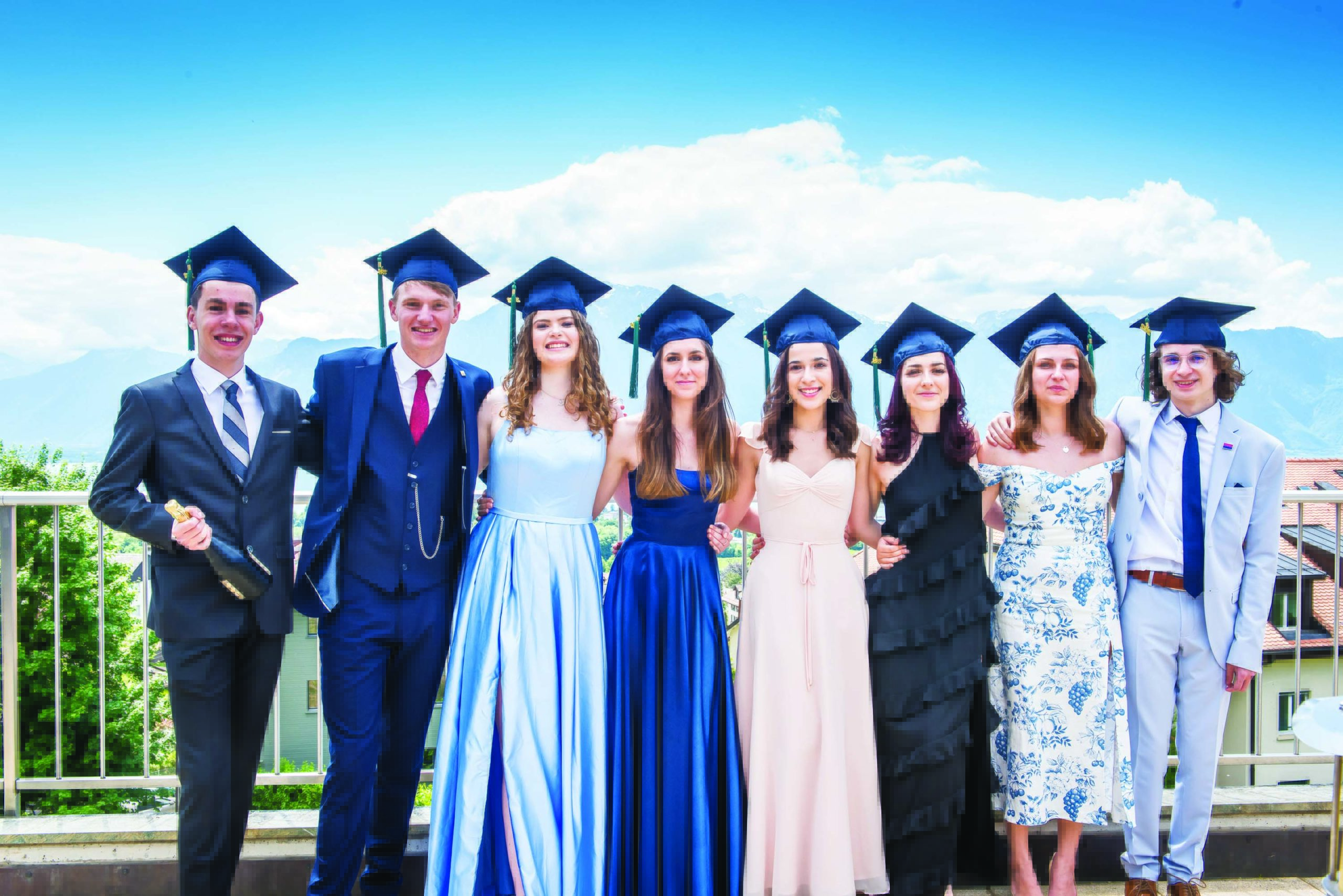
University applications are stressful. There are deadlines to track, essays to draft and redraft, and decisions to make that feel enormous when you are seventeen. But by doing all of that, students start developing skills they will use for the rest of their lives.
At Haut-Lac International Bilingual School, we see the application season as far more than an administrative hurdle. It is a genuine training ground for the real world, and it starts long before anyone sets foot on a university campus.
Learning to ask the right questions
Finding the right university is not about rankings. It is about fit. Students have to dig into course modules, visit campuses (virtually or in person), and honestly ask themselves: where will I thrive?
That kind of self-directed research builds autonomy in a way that is hard to teach directly. Nobody tells you the answer. You have to find it.
Writing and rewriting your own story
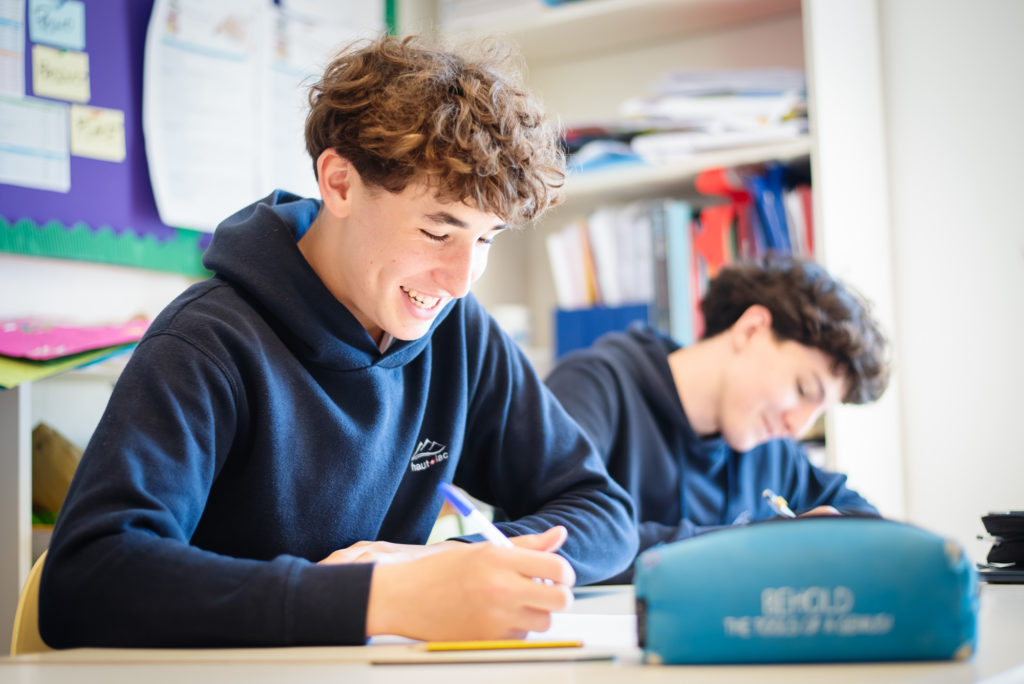
The personal statement is where students often surprise themselves. Sitting down to articulate who you are, what drives you, and why you want what you want is genuinely difficult. It requires honesty, clarity and the willingness to scrap a draft and start again.
I have seen students go through six or seven versions before landing on something that truly represents them. That process of facing tough feedback and pushing through is exactly the kind of resilience that employers and universities value most.
Communicating with confidence
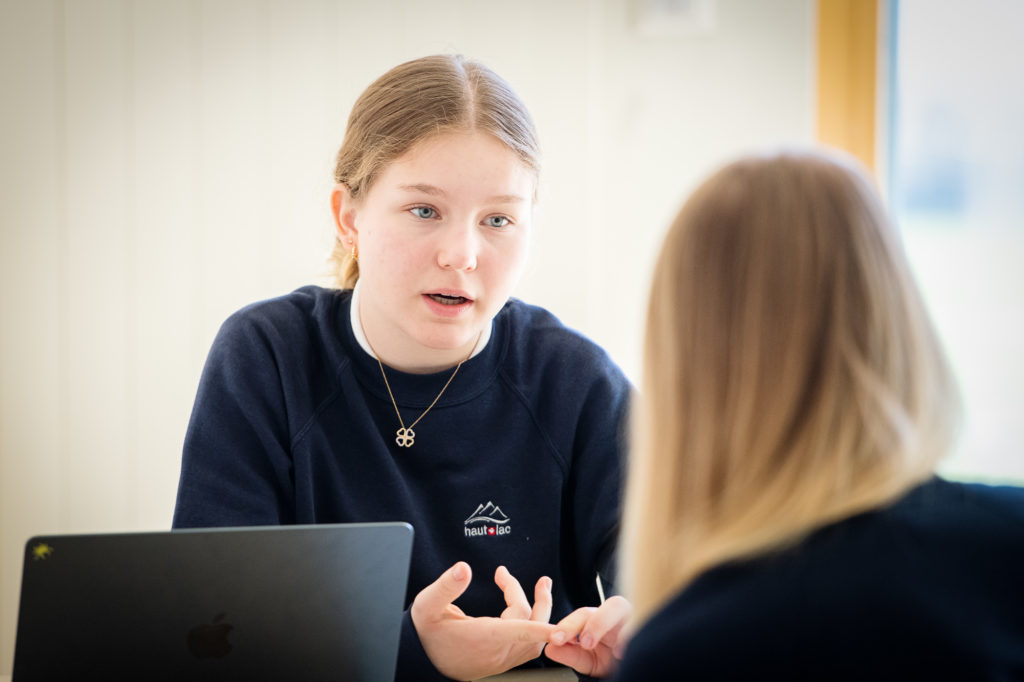
University fairs, interviews and email exchanges with admissions offices all require students to present themselves clearly and professionally.
Through mock interviews and guided practice, Haut-Lac students learn to articulate their goals to a stranger calmly, confidently and without a script. It is the same skill that will serve them in every job interview, client meeting or presentation they ever give.
Managing complexity across borders
Our students apply to universities across multiple countries, each with different deadlines, different requirements and different expectations. Co-ordinating all of that is a genuine administrative challenge.
Students who use timelines, build their own tracking systems, and meet deadlines without being chased are already operating like professionals. They are not just preparing for university. They are practising independence.
Giving and receiving feedback
Although the final decision is individual, we encourage peer reviews and group practice sessions throughout the process.
Learning to take constructive criticism without deflating, and to give honest feedback without discouraging a friend, is one of the subtler skills students develop. It will make them better colleagues, leaders and collaborators for the rest of their lives.
A note for families
I understand the temptation to step in. When the stakes feel high and your child is stressed, it is natural to want to take over. But the real value of this process lies in letting students own it.
When they do, something shifts. They stop waiting to be told what to do and they start trusting themselves to figure it out.
That confidence? That is what they carry into the next chapter.
Alessia Pinna
University & Career Guidance Counsellor